3 Brain Health Benefits of Exercise
As soon as I could move, I always enjoyed movement and play, especially in the ocean! Movement has always been part of my life, and I’ve noticed that seasons in my life where I didn’t have much movement were ones in which I wasn’t happy or healthy.
For 15 years I have been passionate about helping people experience health and joy through movement and a solid fitness routine. After becoming a mental health provider and then a brain health professional, I become so excited to be able to connect neuroscience to my own experience and the share it. Today I wanted to start the conversation about brain health and exercise.
Here Are 3 Brain Health Benefits of Exercise:
Blood Flow and Neuroplasticity
The brain is only 2% of the body’s total weight but utilizes 20% of the oxygen in the body. This is massive! Parts of our brain that lack growth and development, or may have experienced an injury of some kind, desperately need oxygen to help with the development of new nerve cells. This is why you may see professional athletes on the sidelines with oxygen tanks. Not only do their muscles need to recover quickly, but so does their brain. Hyperbaric oxygen is also the treatment of choice for those who have suffered a traumatic brain injury.Anything we can do to get more blood flow to the brain, the better the oxygen supply will be! When we exercise, it increases blood flow to the brain, bringing more oxygen and nutrients to the brain and flushing out toxins. This increases the brain’s ability to function at an optimal level. This also increases neuroplasticity, which is the brain’s ability to be flexible, change and grow. The brain is always taking in stimuli and signals. Exercise helps the brain to develop new nerve cells, and this helps improve executive functioning, flexible thinking, and memory.
Neurohormone Production
Hormones are chemical messengers produced in the body that control and regulate the activity of certain cells or organs. Neurohormones have an important impact on the brain. Exercise is essential in helping the neurohormones create and manage neurotransmitters, which is essential to our brain health.
Exercise, especially strength training, helps support each of these neurohormones. Our seven neurohormones are:
thyroid: regulates energy and mood; controls production of dopamine, serotonin and gamma-aminobutyric acid (GABA), which greatly affect mental health
cortisol: helps manage stress and anxiety
DHEA: fights stress and depression; decreases brain inflammation
estrogen and progesterone: when balanced, promote stable moods
testosterone: affects mood, motivation, sexuality and strength
insulin: balances blood sugar, affecting metabolism
Increase Memory and Coordination
Exercise can increase the brain’s ability to create new neurons in the hippocampus (the memory center of the brain). As new neural pathways are developed, the risk for dementia begins to decrease. Coordination exercises and movement especially impact the area of the brain called the cerebellum, which is involved in movement and coordination. Similar to the muscles in our bodies, the areas of our brains begin to atrophy if we do not activate them and build them up. Adding coordination practices through activities like pickle ball, racquetball, tennis, Crossfit, dancing, and yoga can be pivotal in building new neural connections, increasing memory and coordination, and preventing injury.
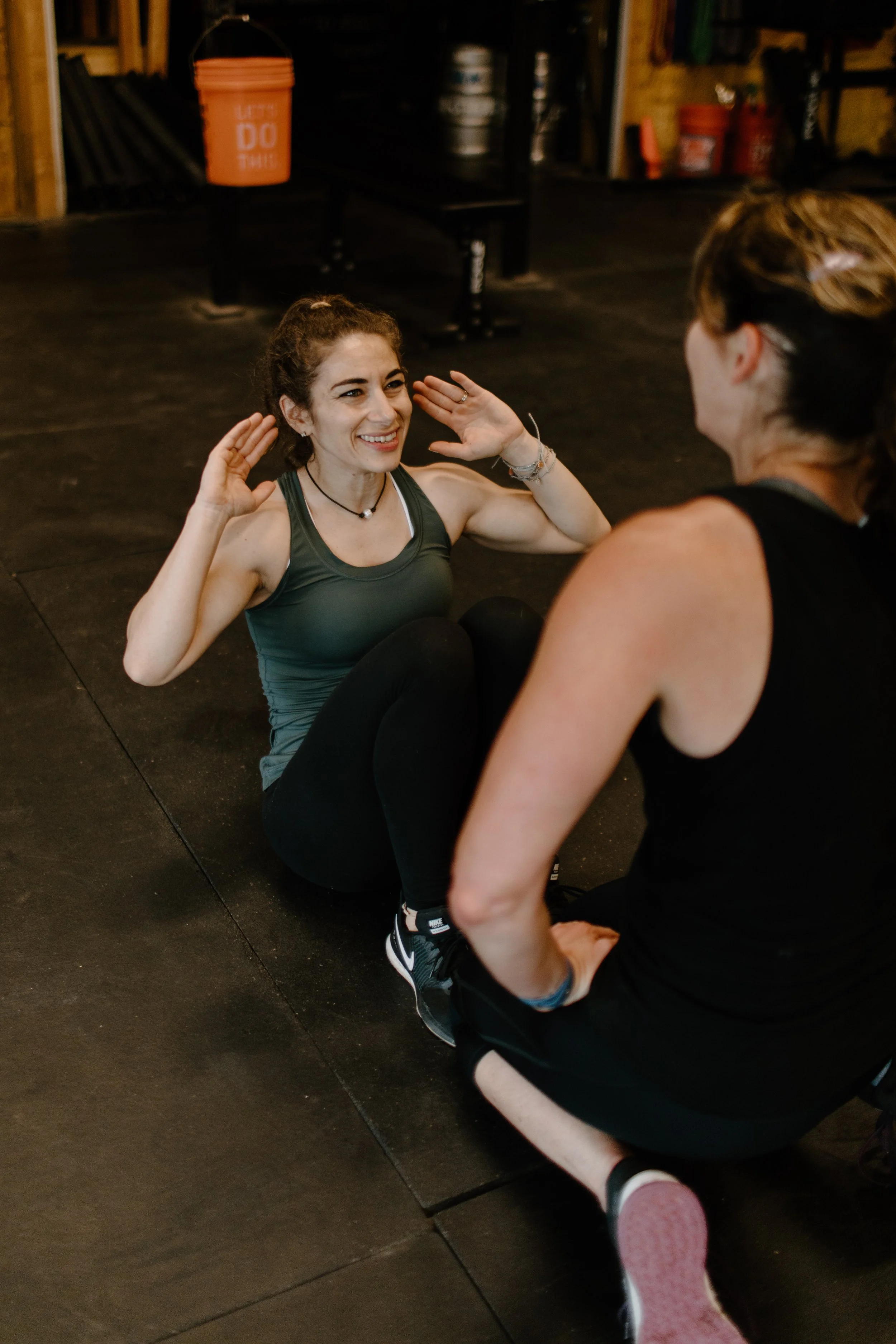
Recommended Exercises:
Many studies recommend that we get 30 minutes of exercise daily, or at least 45-60 minutes of exercise 3-4 times per week, for a healthy mind and body. Here are four types of exercise recommended for brain and physical health:
Interval training with bursts of movement (for example: 30-second run/jog, followed by a 30-second walk/rest)
Strength training, or weight-bearing exercise (for example: power lifting, Strongman training/competitions, CrossFit); it can increase mood and energy, lower anxiety, and decrease fall risk.
Coordination exercises boost activity in the cerebellum, which contains 50% of the brain’s neurons and controls physical-thought coordination (for example: pickle ball, table tennis, dancing, gymnastics, jiu jitsu)
Mindfulness exercise helps ease anxiety and depression, and increases mindfulness, focus and energy (for example: yoga and tai chi)
If you want to start a more consistent exercise routine but aren’t sure where to start, we offer programs here at the Aloha Wellness Collective. Check them out below. We can’t wait to get moving with you!